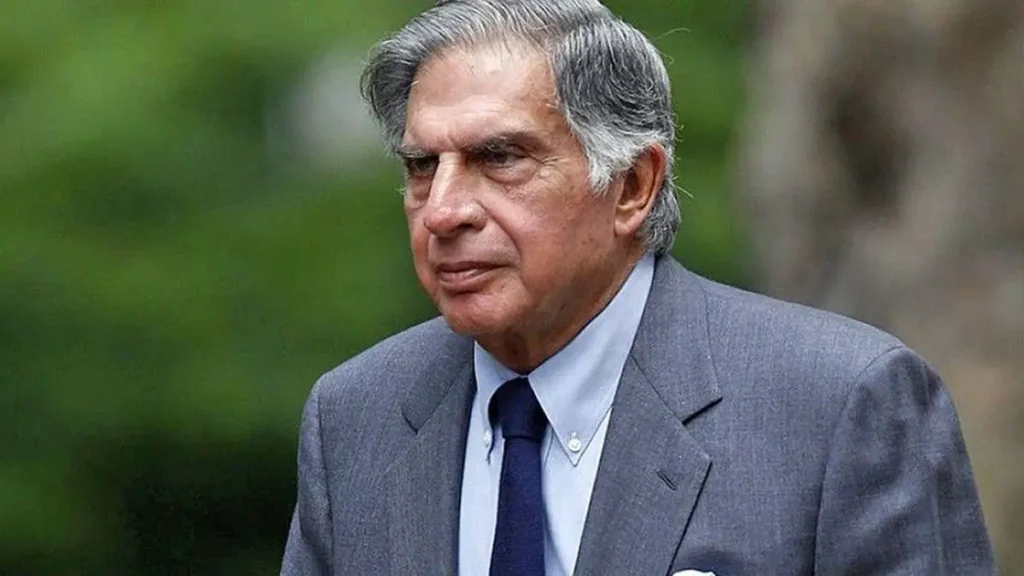
Ratan Tata is one of India’s most respected industrialists, philanthropists, and visionaries. Known for his humility, integrity, and a lifetime dedicated to nation-building, he has shaped the identity and global reputation of the Tata Group. Even after stepping down from official responsibilities, he continues to remain an influential figure in business, innovation, and social development.
Also read: Top 5 Inspiring Women Entrepreneurs from Kerala In 2025
Age and Early Life
Ratan Naval Tata was born on December 28, 1937, in Bombay (now Mumbai). In 2025, he is 87 years old. He belongs to a distinguished Parsi family with deep roots in business and philanthropy. After his parents separated at an early age, Ratan Tata and his brother were raised by their grandmother, Lady Navajbai Tata, whose values greatly impacted his character.

He studied at the Cathedral and John Connon School in Mumbai, then at the Bishop Cotton School in Shimla. Later, he went to the United States, completing his degree in architecture from Cornell University. He later attended the Harvard Business School for a management program.
Family Background
Ratan Tata is part of the famous Tata family, known for building some of India’s earliest and biggest industries.
- Father: Naval Tata
- Mother: Sooni Tata
- Brother: Jimmy Tata
- Half-brother: Noel Tata
Despite great wealth and prestige, Ratan Tata has always led a simple, grounded life. He never married and often speaks fondly of the values he grew up with—discipline, compassion, and service.
Career Journey
Ratan Tata joined the Tata Group in 1962, starting his career on the shop floor at Tata Steel in Jamshedpur. His early years gave him firsthand experience of industrial operations and helped shape his understanding of workers’ needs. He gradually rose through the ranks, gaining the respect of employees and leadership alike.
In 1991, he took over as Chairman of Tata Sons, succeeding JRD Tata. His leadership transformed the Tata Group into a global powerhouse. Some of his biggest contributions include:
- Acquiring Tetley Tea, making Tata a global tea brand
- Acquiring Jaguar Land Rover, a bold move that turned profitable under Tata leadership
- Launching Tata Indica, India’s first indigenous car
- Launching Tata Nano, designed as an affordable car for the common man
- Expanding Tata Consultancy Services (TCS) into one of the world’s biggest IT companies
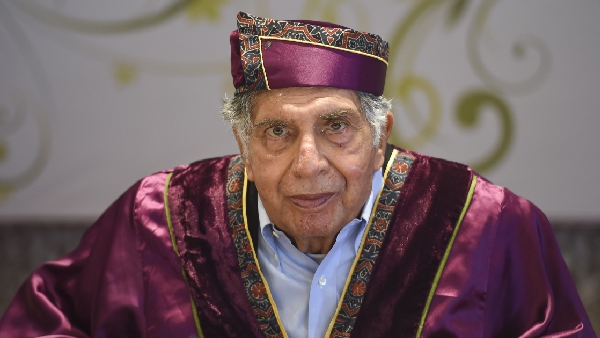
Under his guidance, Tata Group grew multi-fold, expanded into global markets, and upheld its reputation for trust, ethics, and innovation.
Net Worth in 2025
Ratan Tata’s personal net worth in 2025 is estimated to be around ₹3,500 crore.
However, this number does not reflect the real value of the companies associated with the Tata Group, which collectively exceed hundreds of billions of dollars. Ratan Tata personally owns only a small share of Tata Sons.
A majority of Tata Sons’ shares—around 66%—are held by charitable trusts, including the Tata Trusts. This means most of the wealth generated by Tata companies is used for public good, such as education, healthcare, rural development, science, and innovation.
Ratan Tata’s financial philosophy has always been centered on service, not personal profit, which is why his individual net worth is modest compared to the scale of Tata Group’s global operations.
Philanthropy and Contributions
Ratan Tata is widely admired for his generosity and focus on social welfare. He supports:
- Rural upliftment programs
- Women and child development
- Cancer care and health infrastructure
- Education reforms and scholarships
- Startups and young entrepreneurs
- Disaster relief and emergency support
He has also invested in numerous Indian startups such as Ola, FirstCry, Paytm, and others, helping nurture the next generation of leaders.
Legacy and Influence
Ratan Tata is not just an industrialist—he is a symbol of honesty, compassion, and visionary leadership. Even in his late 80s, he remains active in charitable work, innovation discussions, and mentoring entrepreneurs. His life reflects the belief that business should serve society and create long-term impact.
Conclusion
In 2025, Ratan Tata’s legacy continues to shine as one of India’s greatest business icons. His modest net worth contrasts sharply with the enormous global influence of the Tata Group—a reminder that true wealth lies in improving lives, not accumulating power. His journey remains a powerful inspiration for generations to come.