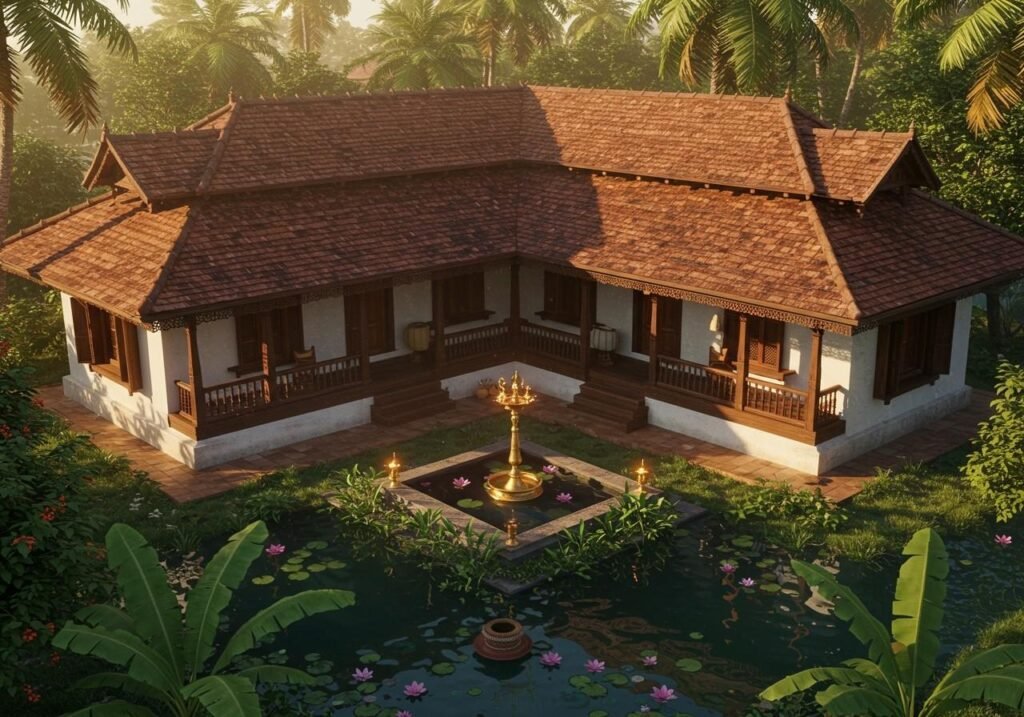
Kerala-style homes have always been admired for their timeless beauty, traditional craftsmanship, and harmonious connection with nature. In 2025, the essence of this architectural style remains intact, but it has evolved gracefully with modern innovations, sustainable materials, and contemporary design preferences. Today’s Kerala homes blend the charm of heritage architecture with the comfort and efficiency of modern living. Here’s everything you need to know about Kerala-style homes in 2025:
A Blend of Tradition and Modernity
The most striking feature of Kerala homes in 2025 is the balance between traditional design principles and modern sensibilities. While sloping roofs, wooden pillars, and carved detailing remain iconic elements, homeowners now incorporate modern amenities, smart home systems, and minimalist layouts. This fusion creates living spaces that feel warm, culturally rooted, yet functionally advanced.
Also read: Diya Mughal: Biography
Iconic Sloping Roofs with Modern Materials
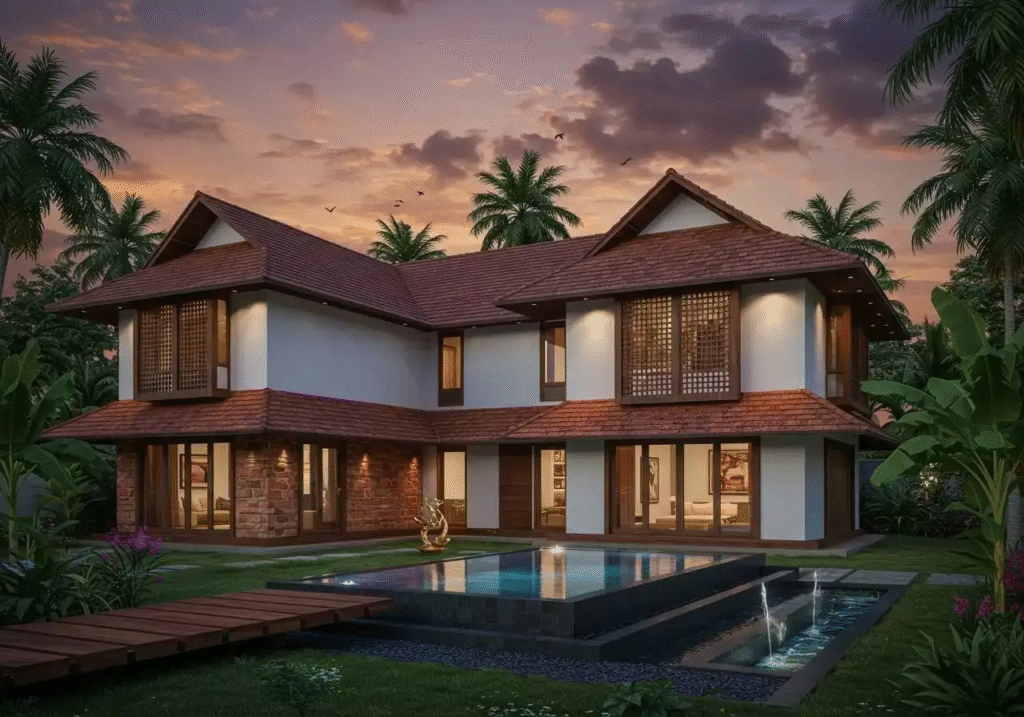
The traditional Kerala roof design—characterized by steep slopes and terracotta tiles—continues to dominate. However, new homes now use improved materials such as weather-resistant clay tiles, coated metal sheets, and heat-reflective roofing technologies. These upgrades preserve the classic appearance while enhancing durability, insulation, and protection during heavy monsoons. Multi-layered roof structures also improve ventilation and temperature regulation.
Courtyard-Centric Architecture
The Nalukettu style, with a central open courtyard, remains a favorite in 2025. Many modern Kerala homes adopt this concept but modify it with glass roofing, skylights, hanging gardens, and water features. These courtyards bring natural light, promote airflow, and create serene interior spaces ideal for family gatherings, meditation, or greenery.
Extensive Use of Wood—Now More Sustainable
Kerala architecture is known for its use of wood, especially teak, rosewood, and jackfruit wood. In 2025, the trend continues but with sustainable sourcing. Engineered wood, bamboo composites, and recycled timber are widely used to recreate the same warm, earthy look. Wooden ceilings, decorative brackets, carved door frames, and window panels still define the style but are now more eco-friendly and budget-friendly.
Wide Verandas and Sit-Out Areas
Verandas, known locally as ‘poomukham’, remain an essential part of Kerala homes. These shaded front sit-outs protect from sun and rain while offering a welcoming aesthetic. In 2025, verandas are designed with minimalist furniture, wooden rafters, terracotta flooring, and planters to enhance comfort and elegance. They also serve as social spaces where families relax and entertain guests.
Natural Ventilation and Climate-Smart Design
Kerala’s climate demands homes that stay cool and breathable. Architects in 2025 focus heavily on sustainable climate-responsive design. High ceilings, cross-ventilation windows, jaali panels, and open layouts ensure continuous airflow. Many homes use eco-friendly insulation materials like laterite blocks and lime plaster to maintain comfortable indoor temperatures naturally.
Integration of Nature and Green Living
Green features are now a defining element of Kerala homes. Rooftop gardens, rainwater harvesting systems, solar panels, and indoor plant walls are widely seen. The landscaping around the home often includes coconut trees, banana plants, medicinal herbs, and flowering shrubs, creating a seamless connection with nature. Homes are built to coexist with the environment rather than dominate it.
Traditional Elements with Modern Enhancements
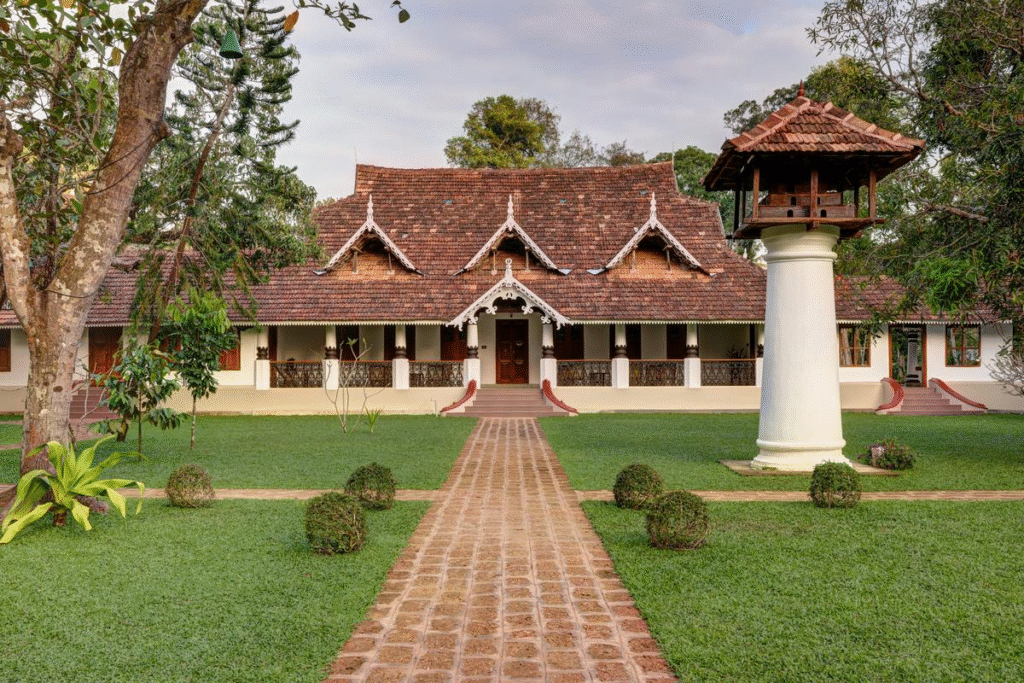
Key cultural elements—such as carved wooden doors, brass lamps, Athangudi tiles, and mural paintings—are still prominent. However, homeowners in 2025 incorporate them subtly with modern décor. For example, a minimalist living room may feature a single mural artwork or a traditional wooden swing paired with contemporary seating. This balanced approach avoids visual clutter while preserving cultural identity.
Open Interior Layouts
While traditional Kerala homes had numerous enclosed rooms, the 2025 version favors open and spacious plans. Living rooms flow into dining areas, kitchens are semi-open, and large French windows replace some of the classic grill designs. This modern openness brings more natural light and creates a sense of spaciousness.
Focus on Vastu and Cultural Harmony
Many homeowners still follow Vastu principles while ensuring the house feels spiritual and peaceful. Meditation corners, small pooja rooms, and courtyard-based layouts contribute to a calming, balanced environment.
Also read: https://everythingbollywood.in/vivek-bindra-net-worth-in-2025/