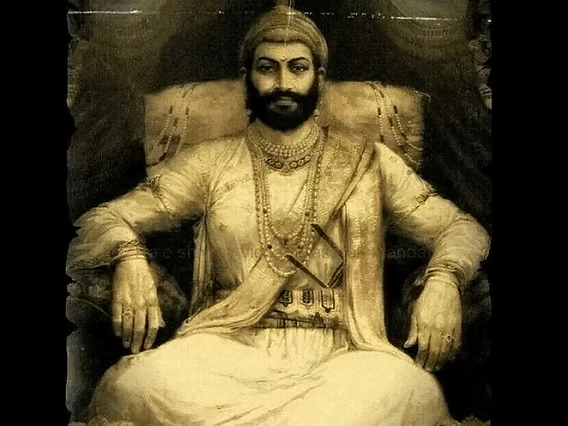
Know Everything About Sambhaji Raje Bhosale
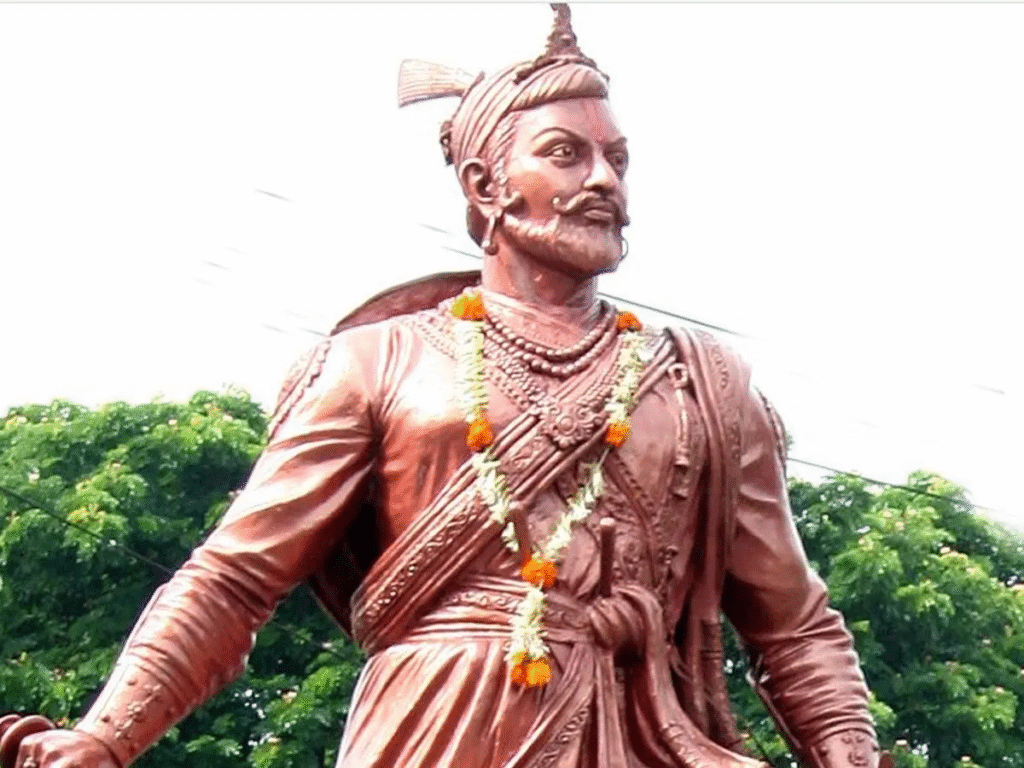
Sambhaji Raje Bhosale, the second Chhatrapati of the Maratha Empire and the firstborn of Chhatrapati Shivaji Maharaj, was a remarkable leader. His birth took place on 14 May 1657 at the Purandar Fort. The boy was raised amidst the ongoing conflict and negotiation between the different rulers, his life being influenced by the political strife around him. His mother, Saibai, died soon after giving birth to him, and he was raised by his grandmother, Jijabai, along with the other adults in the royal family. The boy was gradually prepared for the challenges of warfare, administration, and the arts, including literature, becoming fluent in various languages, among which was Sanskrit.
Sambhaji’s Life of Difficulties and Political Uncertainty
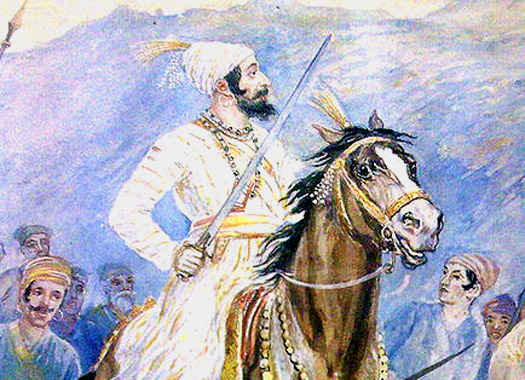
Sambhaji’s early years were very tumultuous from a political point of view. He saw the Maratha and Mughal conflicts, plus other Indian powers like the Bijapur Sultanate. At one time, he was made a hostage by the Mughal Empire during the negotiations, and thus he had the first-hand experience of the power politics in the empires. All these made him stronger and gave him the fearless character that he was known for.
His Step to the Throne
Shivaji Maharaj’s death in 1680 led to a power struggle in the Maratha court. One group tried to install Sambhaji’s younger half-brother as king. Nevertheless, with the backing of faithful commanders, Sambhaji not only thwarted the plot but also got himself crowned as Chhatrapati at Raigad Fort in 1681. His coronation was symbolic of a reign that would be difficult and full of wars.
Military Campaigns and Administration
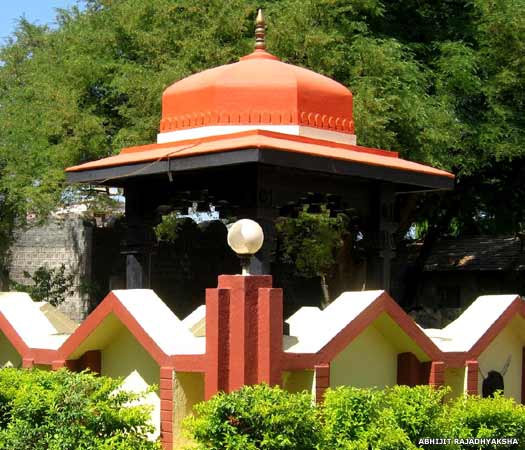
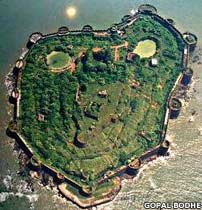
Sambhaji, as the king, met the great power of the Mughal king Aurangzeb, who was in the Deccan, with his army to wipe out the Marathas. He was not only the Mughal but also the Portuguese and Siddhi forces on the western coast. He not only raided important cities but also took the war to the Mughal areas. He gave up Maratha growth in Karnataka and continued to use the guerrilla warfare techniques that his father had developed.
Ancient historians who saw the devil in Sambhaji’s temperament complain against him. It is true that he displayed valour, administrative ability, and piety to the cause of Maratha independence. Sengupta was one of the writers who wrote reflecting his intellectuality.
Capture and Martyrdom
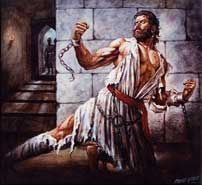
In 1689, Sambhaji found himself in the hands of the enemy along with his friend Kavi Kalash. Aurangzeb ordered the Marathas to surrender, convert to Islam, and give up their forts. Sambhaji would not submit to such a cruel condition and opted for valour instead of compromise. He received severe torture and was finally killed on 11 March 1689.
Legacy
Sambhaji Raje Bhosale is recalled as a martyr and symbol of defiance. His martyrdom prompted the Marathas to proceed with their fight, which eventually resulted in Mughal power no longer existing in India. He is now a very strong reminder of bravery, elegance, and unshakable loyalty to Swarajya.