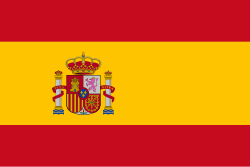
Geography and Basic Overview
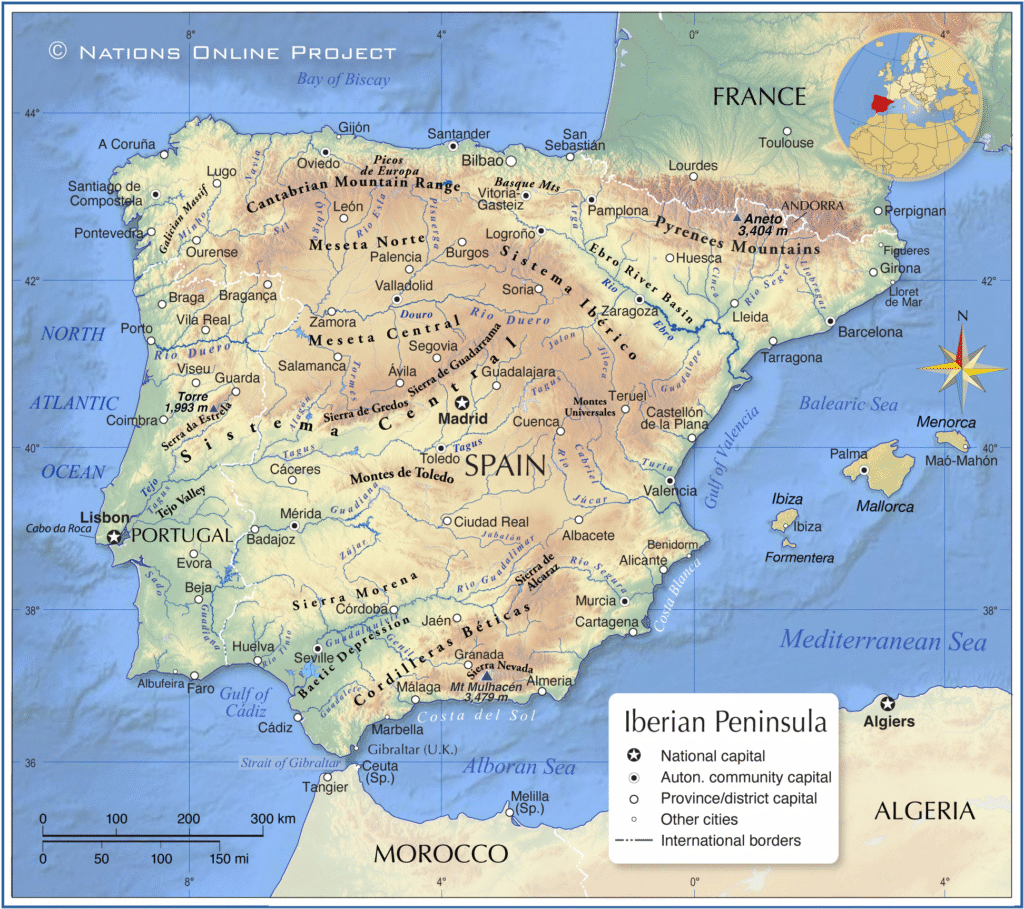
The Kingdom of Spain is a self-governing country that is situated in the southwestern part of Europe on the Iberian Peninsula. It is also composed of the Balearic Islands in the Mediterranean Sea, the Canary Islands near the African coast, and the two autonomous cities, Ceuta and Melilla, on the African coast. Madrid, the capital and the largest city of Spain, is one of the main cultural and political centres. Spanish is the official language throughout the country, while in some regions, such as Catalonia, the Basque Country, and Galicia, Catalan, Basque, and Galician are also recognised as official.
Early History and Formation
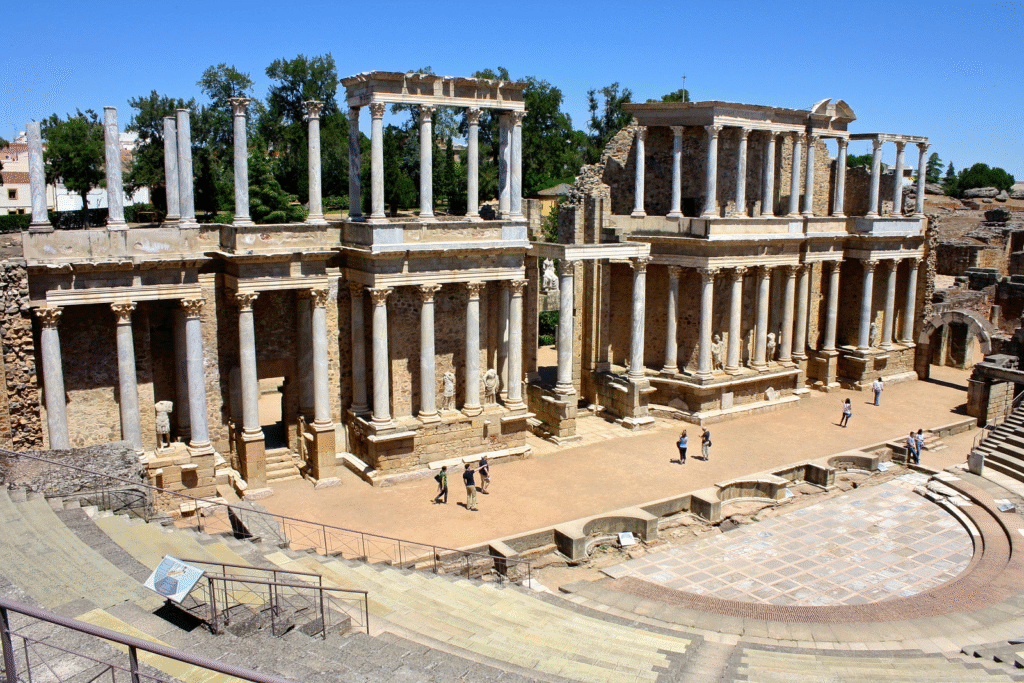
The Iberian Peninsula is one of the places where humans have lived for ages and ages. It was during this time that the area was also part of the Roman Empire, and later on came under the Visigothic dynasty after the fall of Rome. The early 700s saw the land invaded by the Muslims, who, in turn, held sway over the entire peninsula for quite a while. The process whereby the northern Christian kingdoms gradually occupied lost ground, drawn out over centuries, and caught the attention of historians as the Reconquista. This confrontation was pivotal in the formation of the Spanish kingdoms that later came together.
Unification and Rise of Spain
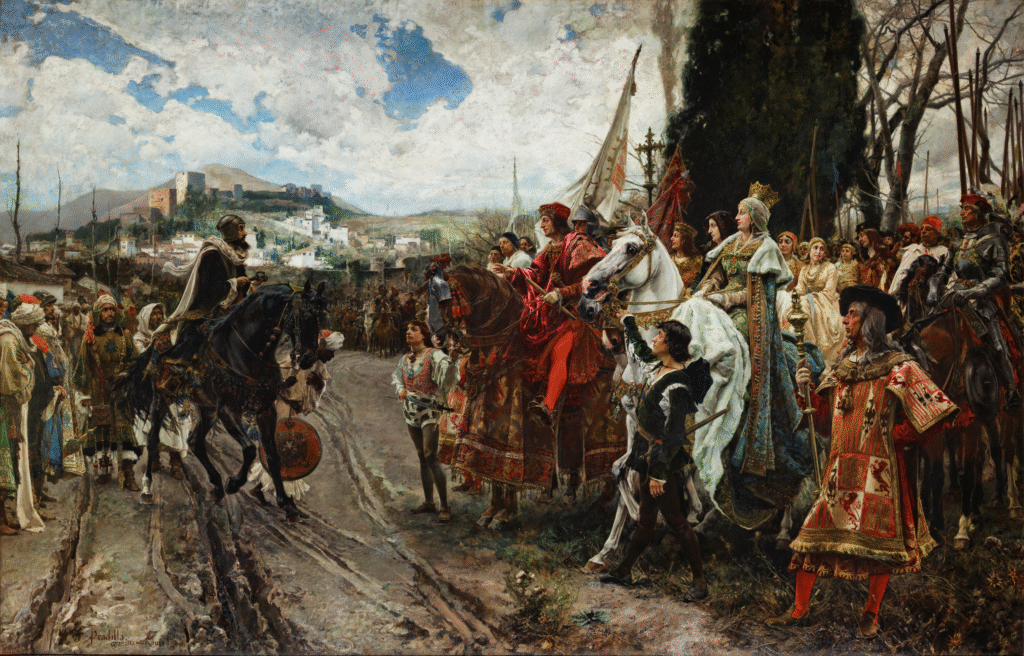
A pivotal moment in the history of Spain was the marriage of Ferdinand of Aragon and Isabella of Castile, which joined together two large Christian kingdoms. The Reconquista resulted in the fall of Granada, the last Muslim fortress in Spain, in 1492. That same year, Spain started its global maritime expansion by sending explorers like Christopher Columbus to the New World. The influx of gold and lands led to a vast sphere of influence that extended over Europe and the whole world.
Golden Age and Empire

Spain during the 16th and early 17th centuries was among the top global powers, as it held large territories in the New World, Asia, and Europe. Monarchs like Charles I and Philip II managed a strong empire that was very much supported by precious metals coming from the Americas. The Spanish Golden Age brought about the flourishing of arts, literature, and architecture; however, continuous wars and domestic challenges eventually took a toll on the empire.
Modern History and State Today
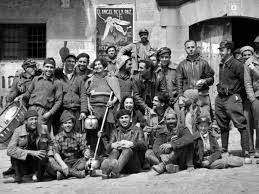
The 20th century was a turbulent period in the history of Spain, as it witnessed a civil war, and then the dictatorship of Francisco Franco for twenty years. After his death, the monarchy was reinstated, and Spain received a democratic constitutional setup with a parliament. Now, it is a free and democratic nation that consists of several regions that have different degrees of autonomy governing them. The economy of Spain is broad-based, consisting of tourism, services, farming, and industry, thus making it one of the leading economies in Europe. Its vibrant culture, historical monuments, and nature are still major attractions to tourists from all over the globe.