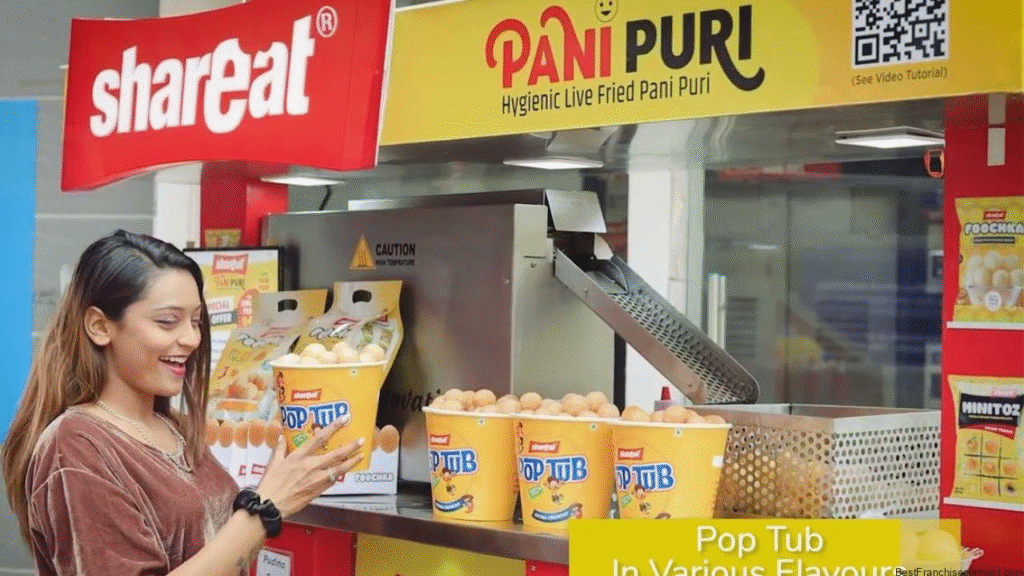
Starting a Pani Puri scheme business in India in 2025 can become profitable with ever-increasing demand for hygienic and fastidious street food variants. Here’s the complete guide that helps you all the way into setting up your Pani Puri stall or kiosk.
1. Market Research and Planning

Do sweat testing market research on the immediate situation of demand in your chosen area.Determine your target section: college students, office-goers, or families; study your competitors in their pricing and offerings; customisation of your business based on local tastes would make your company viable in the area.
2. Legal Requirements and Licensing
To keep the business legal, acquire the following permits:
FSSAI Registration: A food license is compulsory for all food business entities to maintain food safety and hygiene standards.
The Times of India
Trade License: This is provided by the local health authorities for carrying out any food business.GST Registration: It is required only if the turnover exceeds the prescribed limits.
Fire Safety Clearance: Move the fire department to grant compliance, especially with regard to the handling and storage of gas cylinders.
3. Investment and Setup
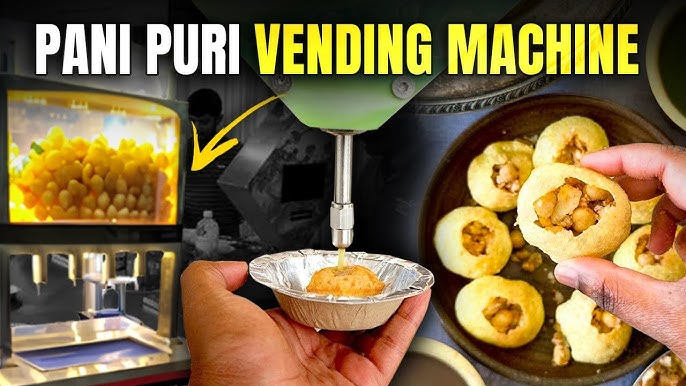
If you set up a Pani Puri outlet, there would be that initial expenditure somewhere between ₹25,000 and ₹50,000, depending on how it is operated and where it is located. Major expenses might include:
Cart or Stall Design: ₹10,000 to ₹20,000
Utensils and Containers: ₹2,000 to ₹5,000
Initial Ingredients: ₹3,000 to ₹6,000
Licenses and Permits: ₹2,000 to ₹5,000
Marketing and Branding: ₹5,000 to ₹10,000
This kind of arrangement is suited for small-scale operations catering to local customers.
startupgurubusiness.com
4. Location Selection
Choose an area with huge footfalls, for example, near colleges, offices, markets, and parks. The location has huge importance when it comes to visibility and access. Make sure the location is approved for such use under local zoning laws and has infrastructure.
5. Hygiene and Quality Control
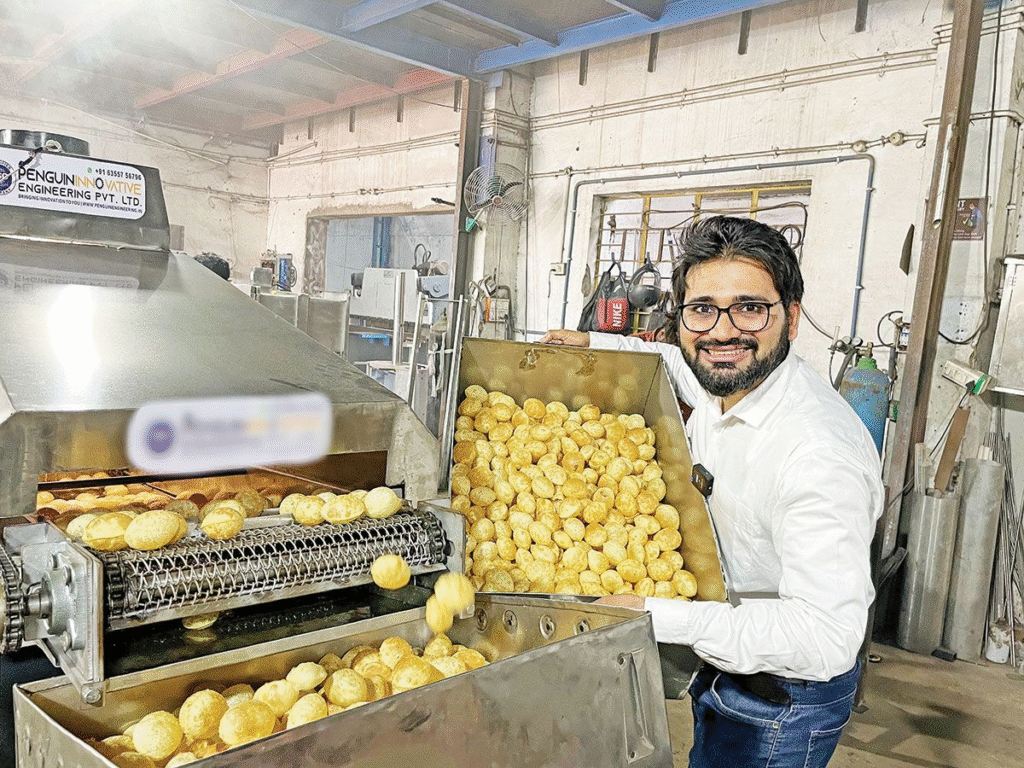
The cleanliness factor should always be second to none. Use clean water and fresh ingredients, and store everything well. It would help if you frequently washed your utensils and cleaned the stall area to avoid contamination. Making sure you follow hygienic standards will set an organisation on a trust-building platform that will then translate into repeated business for you.
6. Marketing and Branding
Advertise your Pani Puri business through:
Social Media: Create profiles on platforms such as Instagram and Facebook to promote your products.
Local Advertising: Flyers and coupons to attract customers in the initial days.
Word of Mouth: Satisfied customers can be encouraged to refer others.
7. Expansion Channels
Once the company is well established, monthly expansion opportunities can be looked upon by:
Franchising: Using the name of an established brand to open more outlets.
Delivery Services: Collaborate with food delivery platforms for increased marketplace reach.
Novel Varieties: For the attraction of all types of customers, bring in dahi puri or fusion flavours.
Conclusion
An opportunity to take an excellent advantage of a Pani Puri business in India in 2025, demanding a rather low investment and therefore offering very huge returns. In current times, street food is a big business. Branding the business as one of quality and hygiene, along with marketing it right, can create a win-win and sustainable business model.