Franchise is at present the world’s most popular business growth strategy. We see it as a platform that presents proven business models to the entrepreneurs, thus at the same time reducing risk, and which also provides a growth stage. For would-be business owners, it is key to understand the various franchise business models that you are looking at before you invest. Each model brings to the table different elements, responsibilities, and financial structures.
What is a Franchise Business Model?
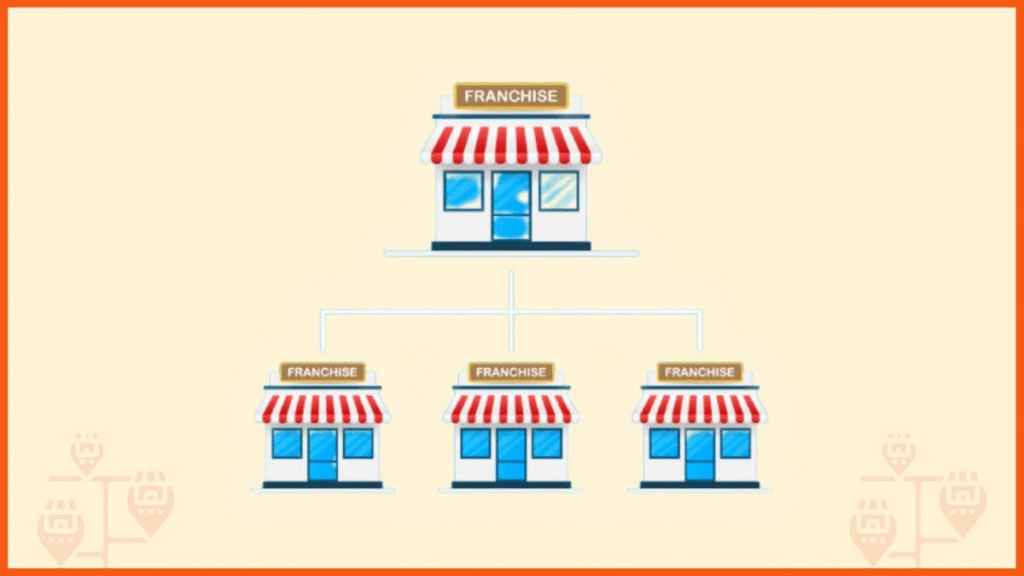
A franchise business structure is a business agreement between a franchisor (the owner of a business or brand) and a franchisee (an independent business operator) in which the former grants the use of its trademark, system, and business processes. In exchange, the franchisee pays fees, royalties, or both, and also abides by the brand’s set standards.
Franchisors can grow very quickly with little investment, which in turn gives franchisees access to established brands, training, and operational support. Also, the type of franchise model that is chosen plays a large role in the function that relationships have.
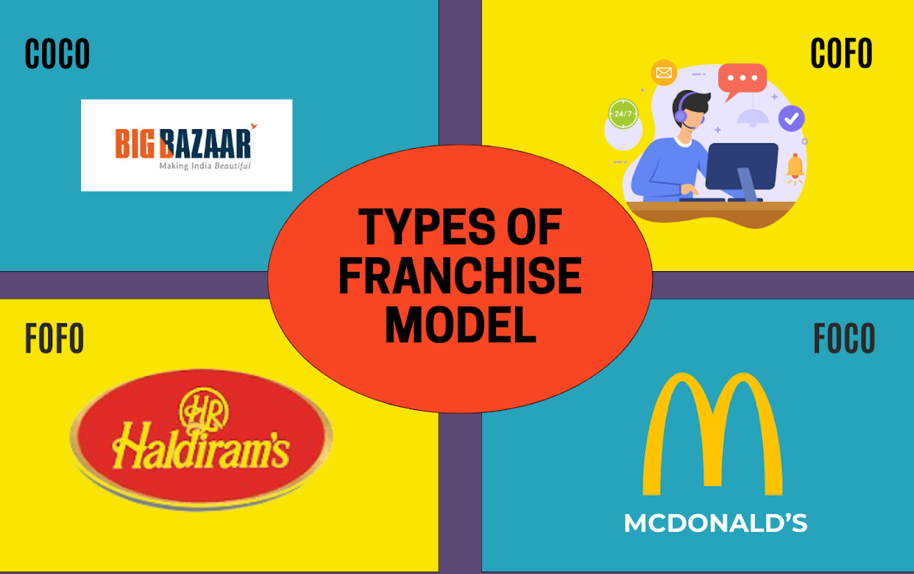
Types of Franchise Business Models:
1. Product Line Franchise
In this system, we see that the franchisee sells the franchisee’s products to the customers. Also, it puts more emphasis on product distribution as opposed to business format. Examples are auto dealerships, beverage bottlers, and fuel stations.
Key Features:
Focus on product sales over service.
Franchisees have the exclusive right to sell popular brand-name products.
Franchise owners are given marketing support and quality control.
2. Franchise of the Business Format type
This, at present, is the preeminent and very recognized model we have. In this case, the franchisor puts in not only products but a full system, which includes marketing, training, brand identity, and operational guidelines. Out of the popular fast food chains, retail stores, and educational institutions, this is the model that they mainly use.
Key Features:
Standardised procedures and strict brand policies.
Ongoing franchise training and support.
Franchisees pay out initial fees
3 Manufacture Franchise
In the field of manufacturing franchises, the franchisor grants the right to produce and sell its products. This is a common practice in food processing, beverages, and clothing industries.
Key Features:
Franchises that produce goods under the franchisor’s brand.
Offers more control in production but at a higher cost.
Often involves large-scale operations.
4. Career Franchise
This is a more limited set of franchises for people who are interested in small-scale business investment. We see in this group that services like home cleaning, repair services, event management, and courier services are very present.
Key Features:
Low price point as compared to other models.
Franchise owners run out of home or small-scale offices.
Best suited for self-employed individuals.
5. Growth Enterprise
In this model, franchisees put in large investments into what may be hotels, large-scale restaurants, or fitness chains. Franchisees’ role is mainly financial, while the franchisor or professional managers take care of day-to-day operations.
Key Features:
High investment and long-term commitment.
Franchise owners are more concerned with their investment return than with day operations.
Suitable for investors seeking portfolio diversification
Choosing the Right Franchise Model:
Select which franchise model is right for you based on your financial situation, what you are interested in, your tolerance for risk, and your long-term goals. For instance, a person looking for hands-on experience may do well with a job franchise, and a corporate investor may look at an investment franchise. Also, it is important to look at what support the franchisor provides, the brand’s reputation, and market demand before you decide.
Additional Insights on Franchising:
Growth Potential: Franchise growth outpaces that of independent businesses because of brand recognition and proven strategies.
Legal Agreements: Franchise agreements are a legal issue, which is why franchisees should pay close attention to the terms before they sign
Adaptability: Some franchisors allow for local adaptation of the franchise model; in other cases, they require that global standards be strictly followed
Technology Integration: Modern in the digital age, franchise models have grown to include
Conclusion:
Franchise business models we see as a range of entry points for entrepreneurs into the market, which at the same time present different levels of investment, control, and responsibility. From small-scale job franchises, which may also be a good fit for those just starting, to large investment-heavy ventures, which may suit more experienced players, we see a wide variety of options. By looking at the differences in what we offer in terms of product distribution, business format, manufacturing, jobs, and investment franchises, we think that would help aspirant business owners to make very informed choices that, in turn, will see them achieve their financial goals and real personal vision.