Know Almost the Indian Kingdom: Rajputana
Introduction to Rajputana
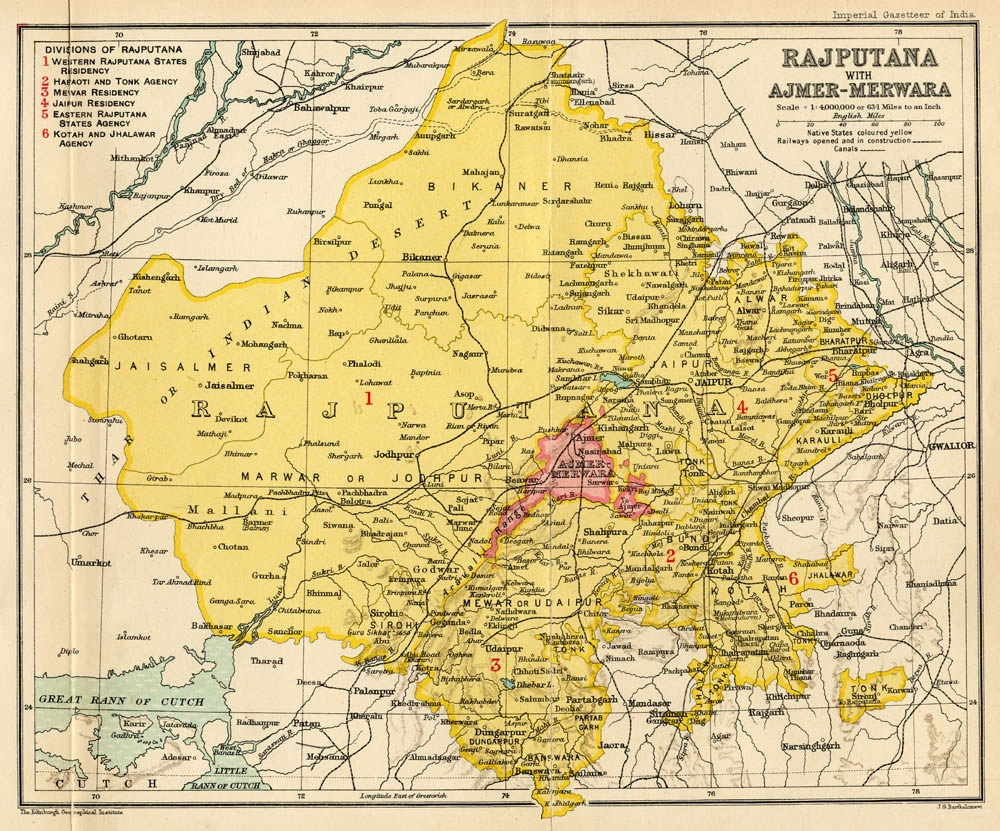
Rajputana was the memorable title of the locale that to a great extent compares to present-day Rajasthan. Found in north-western India, it offers borders with Pakistan and the Indian states of Gujarat, Madhya Pradesh, Uttar Pradesh, and Haryana. The term Rajputana truly implies “the arrive of princes,” inferred from raj (ruler) and putra (child). This arrive got to be synonymous with the Rajputs, a warrior community eminent for their mettle, respect, and dependability, along with other communities such as Meenas, Gujars, Jats, Bhils, Brahmins, and Bishnois. Jaipur is the present-day capital of Rajasthan.
Early History, and Settlements
Rajputana appears to have proof of human settlement, from ancient times. The most punctual tenants were tribal groups like the Bhils and Meenas. Amid the moment thousands of years BCE, Indo-European tribes relocated into the locale. Over centuries, Rajputana came under the run the show of a few effective domains, including the Mauryas and Guptas. Afterward, waves of Central Asian trespassers such as the Sakas, Kushans, and Kidarites passed through the locale, forming its political and social landscape.
Rise of Rajput Kingdoms
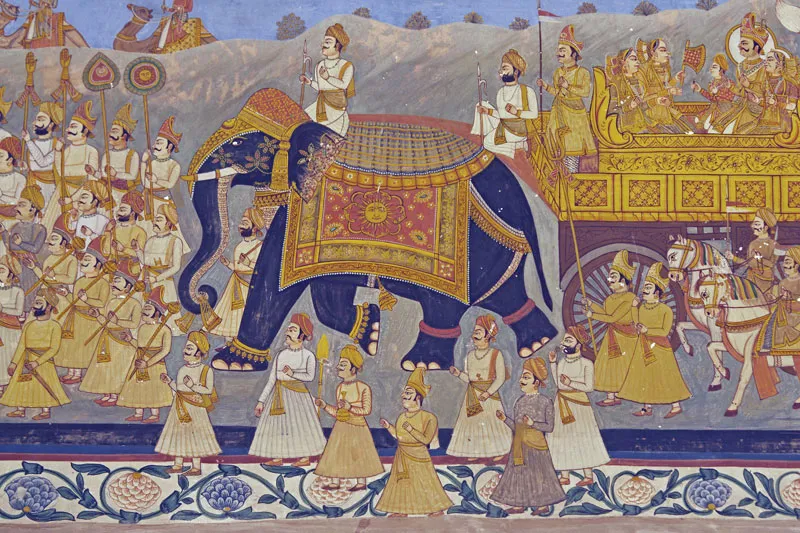
After the decay of Sovereign Harshavardhana’s Thaneshwar Realm in the 7th century, Rajputana was divided into different free kingdoms. Noticeable Rajput states included Mewar, Marwar Amer (Jaipur), Jaisalmer, Bikaner, Bundi, Kota and Alwar. Among these, Mewar, ruled at first by the Guhilot and afterward the Sisodiya tradition, held an uncommon status as the senior Rajput kingdom. Chittorgarh Post served as its notable capital and image of Rajput resistance.
uFrom the early medieval period, Rajputana confronted rehashed attacks by Middle Easterners, Turks, Afghans, and, afterward, the Mughals. Whereas numerous Rajput states entered into unions with the Mughal emperors—especially amid Akbar’s reign—others, like Mewar beneath Maharana Pratap, denied accommodation. Fights such as Haldighati became enduring images of Rajput valor and sacrifice.
Mughal, Maratha, and British Period
By the 17th and 18th centuries, the Mughal specialist debilitated, permitting the Maratha Empire to spread over Rajputana. In the long run, after the Anglo-Maratha wars, the British developed as the prevailing power. Rajputana became a British office made up of regal states that held internal independence, while recognizing British supremacy.
Rajputana After Independence
Following India’s freedom in 1947, the princely states of Rajputana steadily merged to shape the Union of Rajasthan in 1949. Jaipur was declared the capital, and in 1956, Rajasthan authoritatively got to be a state of the Indian Union. In spite of the fact that regal titles and benefits were canceled in 1971, the bequest of Rajputana continues to shape Rajasthan’s culture, engineering, and identity.
Conclusion
Rajputana stands as an effective chapter in Indian history, speaking to centuries of courage, versatility, and social lavishness. Its fortifications, conventions, and stories of giving up proceed to rouse and characterize the soul of Rajasthan nowadays.