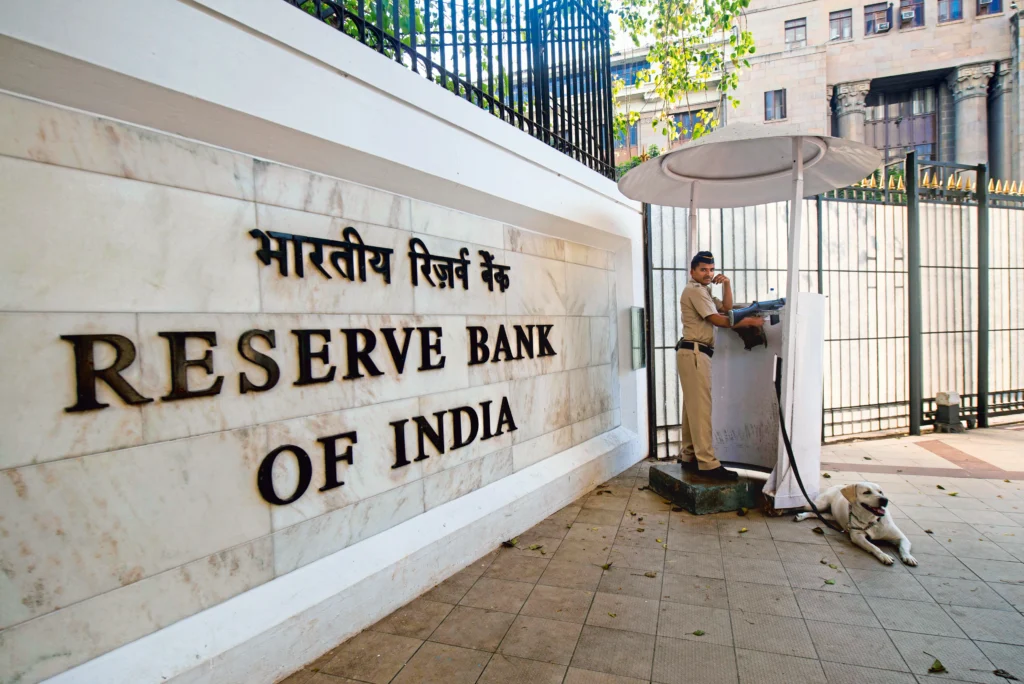
The Reserve Bank of India (RBI) is the central bank of India, established on 1 April 1935 under the RBI Act of 1934. Its primary role is to regulate the issue and supply of the Indian rupee and manage the country’s monetary policy to maintain financial stability.
Headquarters: Mumbai, Maharashtra
Current Governor (as of 2025): Shaktikanta Das
🏢 Head Office and Regional Offices
The Head Office of the Reserve Bank of India is in Mumbai.
It also has regional and sub-offices across the country to oversee banking and currency operations.
List of Main Regional Offices:
- Ahmedabad
- Bengaluru
- Bhopal
- Bhubaneswar
- Chandigarh
- Chennai
- Guwahati
- Hyderabad
- Jaipur
- Jammu
- Kanpur
- Kolkata
- Lucknow
- Mumbai
- Nagpur
- New Delhi
- Patna
- Thiruvananthapuram
These offices manage currency distribution, banking regulation, and financial monitoring for their respective zones.
Also read: Aaditi Kohli Biography
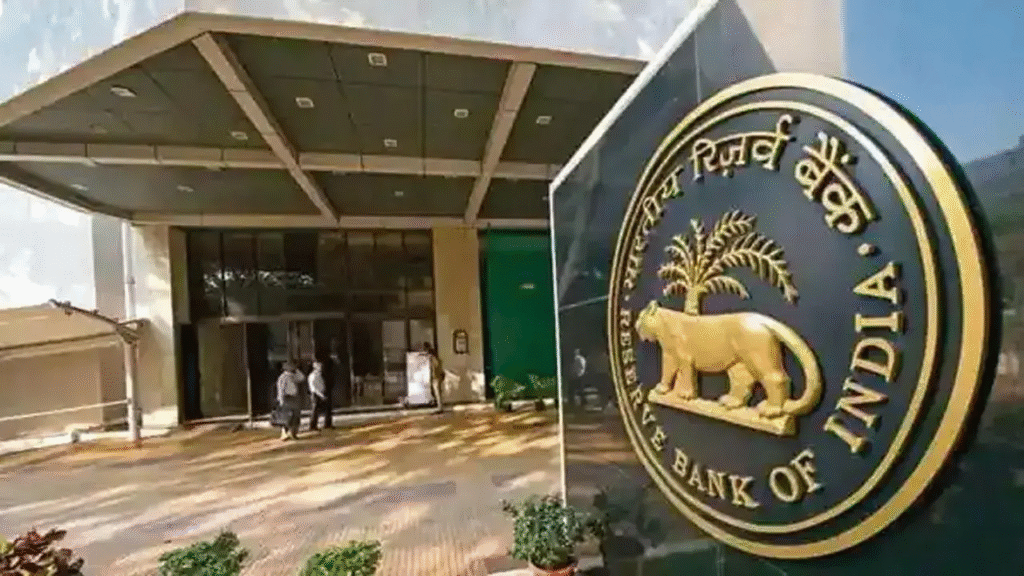
👨💼 List of Governors of the Reserve Bank of India (1935–2025)
- Sir Osborne Smith (1935–1937)
- Sir James Taylor (1937–1943)
- Sir C.D. Deshmukh (1943–1949)
- Sir Benegal Rama Rau (1949–1957)
- K.G. Ambegaonkar (1957)
- H.V.R. Iengar (1957–1962)
- P.C. Bhattacharya (1962–1967)
- L.K. Jha (1967–1970)
- B.N. Adarkar (1970)
- S. Jagannathan (1970–1975)
- N.C. Sen Gupta (1975)
- K.R. Puri (1975–1977)
- M. Narasimham (1977)
- I.G. Patel (1977–1982)
- Manmohan Singh (1982–1985)
- Amitav Ghosh (1985)
- R.N. Malhotra (1985–1990)
- S. Venkitaramanan (1990–1992)
- C. Rangarajan (1992–1997)
- Bimal Jalan (1997–2003)
- Y.V. Reddy (2003–2008)
- D. Subbarao (2008–2013)
- Raghuram G. Rajan (2013–2016)
- Urjit Patel (2016–2018)
- Shaktikanta Das (2018–Present)
🧮 Major Departments of the RBI
- Department of Currency Management
- Department of Economic and Policy Research
- Department of Statistics and Information Management
- Financial Markets Operations Department
- Department of Banking Supervision
- Department of Banking Regulation
- Monetary Policy Department
- Financial Inclusion and Development Department
- Internal Debt Management Department
- Foreign Exchange Department
- Consumer Education and Protection Department
- Financial Stability Unit
Each department handles specialized areas like banking regulation, monetary policy, or currency circulation.
💼 Subsidiaries and Related Institutions
- Deposit Insurance and Credit Guarantee Corporation (DICGC) – Provides deposit insurance to protect bank depositors.
- Bharatiya Reserve Bank Note Mudran Private Limited (BRBNMPL) – Prints Indian currency notes.
- Reserve Bank Information Technology Pvt. Ltd. (ReBIT) – Handles cybersecurity and technology management.
- Indian Financial Technology and Allied Services (IFTAS) – Provides IT and communication infrastructure for financial institutions.
(Earlier, the National Housing Bank was also an RBI subsidiary but now functions under the Government of India.)
⚙️ Key Functions of RBI
- Issuing and managing currency.
- Regulating banks and non-banking financial institutions.
- Formulating and implementing monetary policy.
- Managing foreign exchange and reserves.
- Maintaining price stability and financial inclusion.
- Acting as banker to the Government of India and other banks.