Over the last ten years, the Indian café market has experienced significant growth, and Starbucks continues to be the leader in the premium coffee market. The potential entrepreneurs tend to consider opening a Starbucks franchise in India, dreaming of a money-making business with global support, but the reality is quite the opposite, and if you do not know the ways of the investment and partnership, you will definitely lose the game.
Business Model in India
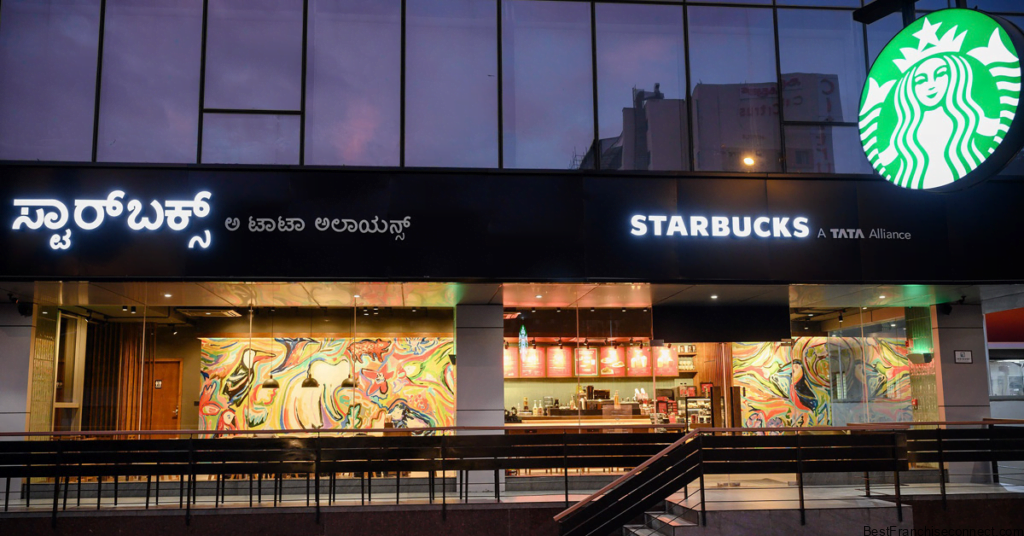
Starbucks has never been willing to grant any direct franchising rights in India, and instead, operated as a joint venture between the Tata Consumer Products Company and the Starbucks Coffee Company under the banner of Tata Starbucks Pvt. Ltd. In other words, all the Starbucks outlets in the country are owned by the company and not by the franchisees. There is no traditional franchise available to the entrepreneurs, and there may be the possibility of selective licensing or property alliance partnerships if the company sees a strategic benefit.
Investment and Cost Structure for 2025
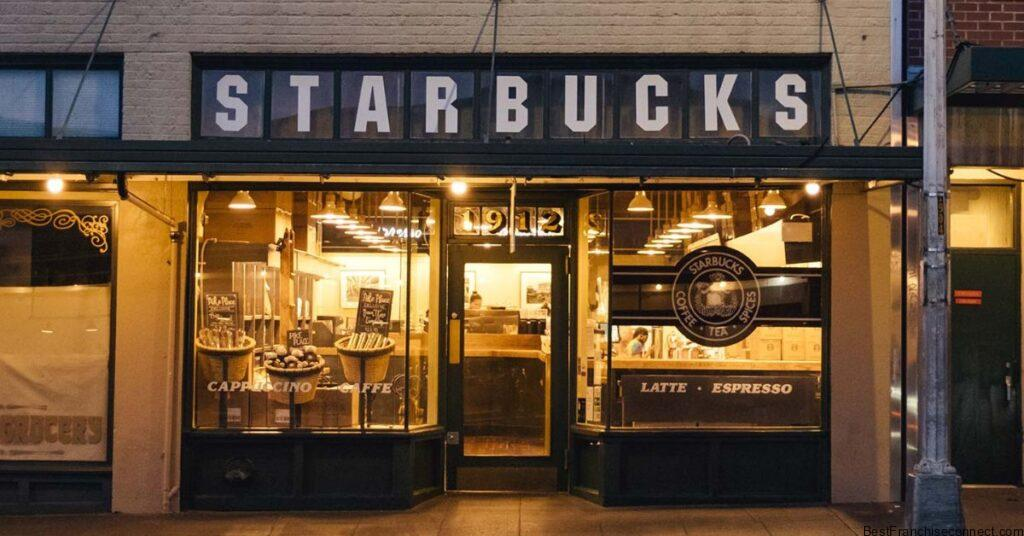
Transfer of the retail outlet idea with no usual franchise pattern followed by Starbucks, a premium outlet in operation, gives an outline of the investment needed for a collaboration quite clearly:
Setup and Interior: Rs 1 crore to Rs 2.5 crore approximately, store size, and luxurious specifications.
Equipment and Kitchen Setup: Rs 30 lakhs to Rs 60 lakhs for the best quality appliances and imported coffee machinery.
Security Deposit & Lease: Rent deposits for metro or commercial hubs may vary from ₹10 lakh to ₹60 lakh, depending on the area.
Working Capital for the First Half-Year: About ₹25 lakh to ₹50 lakh.
Recruitment and Training Expenses: Every year, ₹12 lakh to ₹30 lakh for the hiring of baristas, supervisors, and support staff.
Altogether, the investment required to join the Starbucks plug-in project is somewhere around ₹1.8 crores up to ₹3.5 crores in the case of a standard outlet situated in a major city. Owing to the high price of real estate, the outlet formats in airports and business districts might surpass this estimate.
How to Express Interest or Collaborate
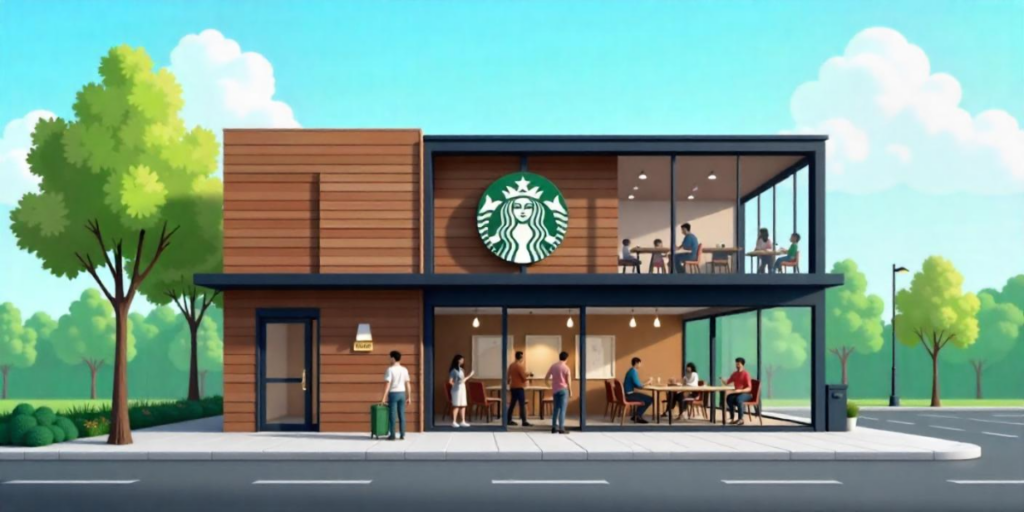
Entrepreneurs looking for a partnership must come up with a comprehensive proposal that will show the owner’s or manager’s capability. The go-ahead will be based on:
The property’s quality and the number of people visiting it
The availability of parking and how easy it is to get to
How close it is to business areas, shopping malls, or educational places
The probability of an operation in the long run.
After the proposal has been reviewed, Starbucks will then decide the location of the store, negotiate the financial terms, give the store design its approval, and ensure the same level of brand consistency by controlling the operations.
Business Path and Things to Think About
An Indian Starbucks store represents a huge potential for revenue, a strong brand with good visibility and a loyal clientele supporting it. At the same time, it is a high-cost and high-commitment. Entrepreneurs have to be ready for the risks of strict quality standards, high rents, and limited freedom of operation as compared to an independent café. In large part, success will depend on the choice of location, customer turnout, and long-term financial sustainability.
Final Overview
Starbucks has planned expansion in India, yet it is still being very selective when it comes to giving franchises, especially those that are conventional, to individuals. Through the years, the company will be inviting to the market those who can be their partners or who are ready to come up with property-based proposals that carry a lot of financial backing. So, if an investor has clout, experience in retailing, and access to the best real estate, his partnership with Starbucks would mean a very profitable project—but only if the extent of investment and the level of operation are perfectly clear beforehand.