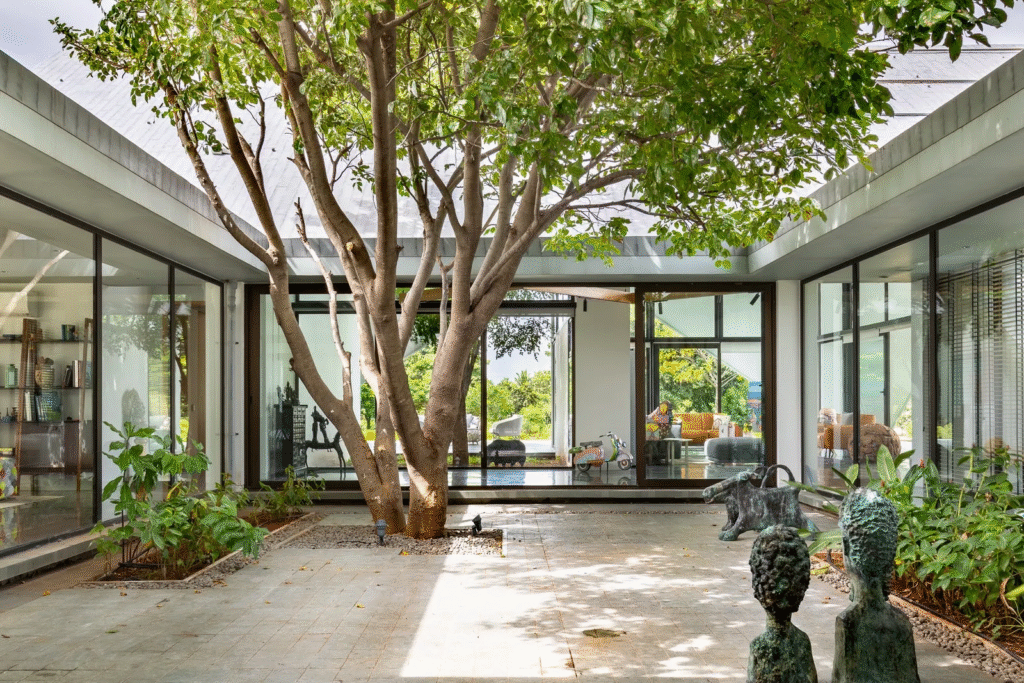
1. Central “Breathing” Courtyard
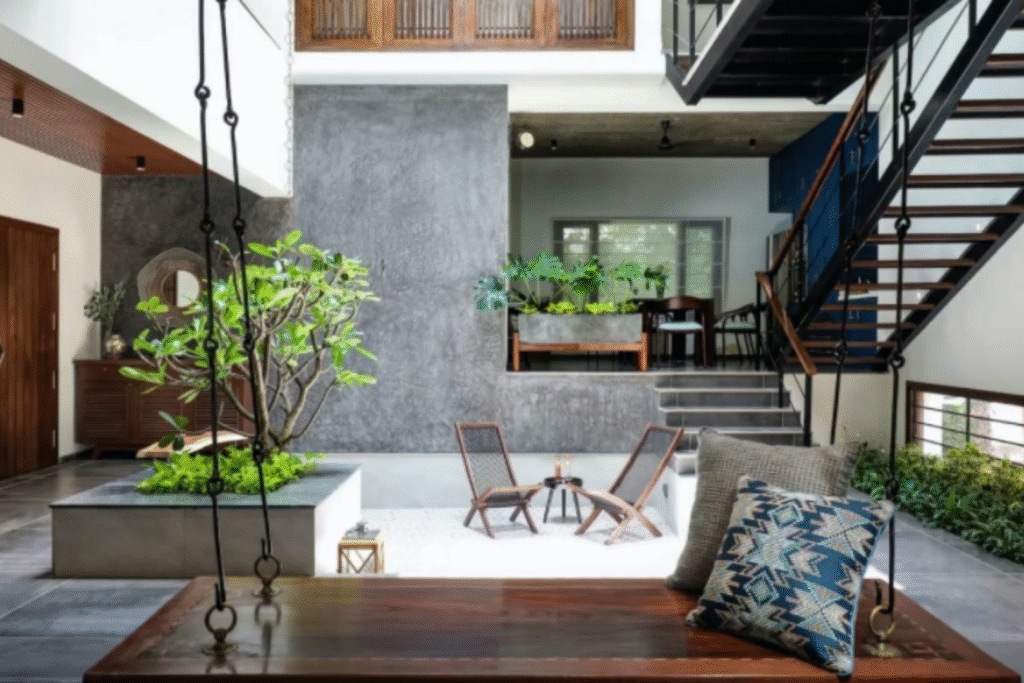
An entirely central courtyard — either open to the sky or covered with skylights — is the house’s respiratory system. It delivers the surrounding rooms with natural light, fresh air, and ventilation. The architects’ idea of retractable skylights in 2025 is, thus, the best solution where the inhabitants can switch between the open-air and the sheltered atmosphere according to the weather, uniting comfort with openness.
2. Green Pocket / Micro‑Garden Courtyard
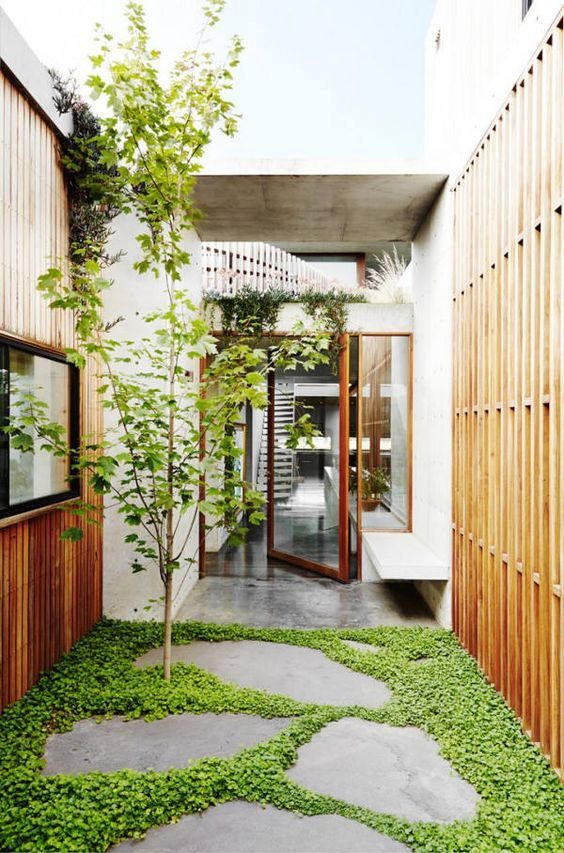
This plan is perfect for a city or small lot — it incorporates plants, small herb beds, or tiny water features into small courtyards. The gardens not only contribute to the fresh air and cooling effect but also make the place more beautiful and bring a soothing nature vibe to even small homes.
3. Water‑Inspired Courtyard with Pond or Reflecting Pool
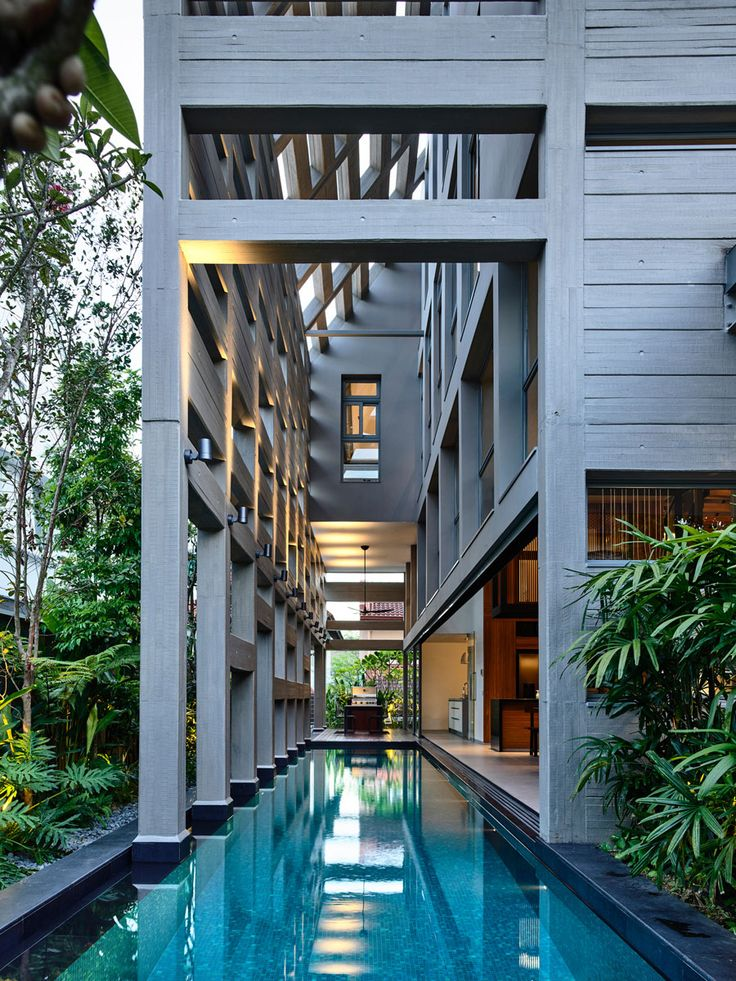
The presence of water — ponds, channels, or shallow pools — in a courtyard results in the creation of calm, meditative spaces. The water surface for reflection increases the landscape and light effects, and it can also be used to control the temperature. Such a design adds tranquillity and a spa-like atmosphere.
4. Floating Deck / Outdoor Living Courtyard
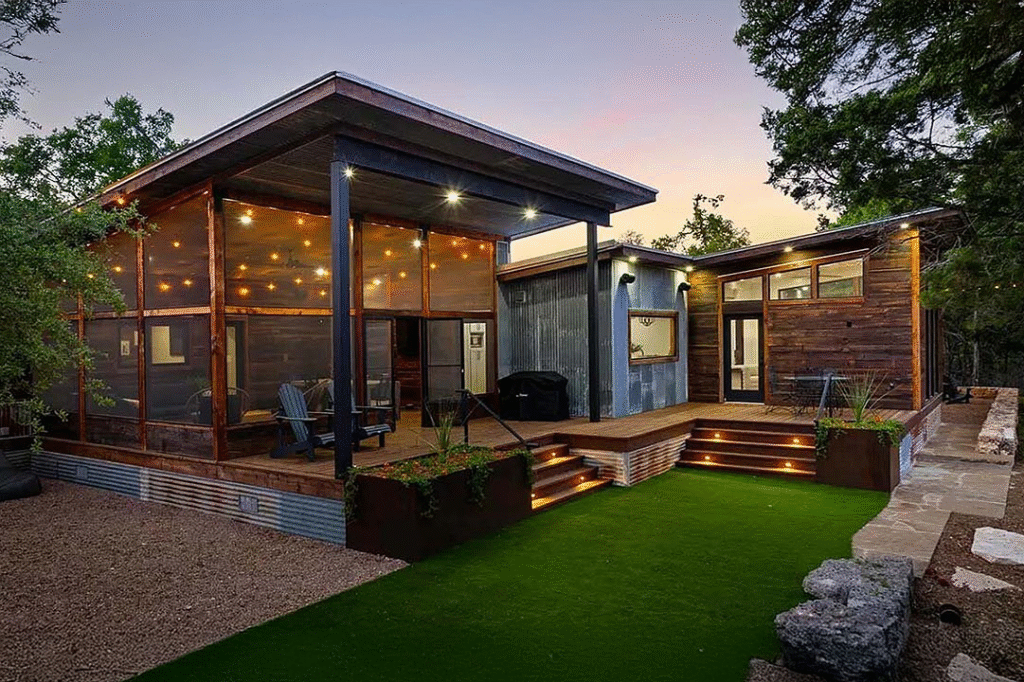
A deck or terrace made of wood here becomes a natural extension of the indoor living space. It is suitable for tea, informal get-togethers, or quiet reading. The decking is surrounded by either pebble beds or potted plants that create a laid-back, natural atmosphere — great for family time as well as socialising with guests.
5. Sculptural / Art‑Centric Courtyard
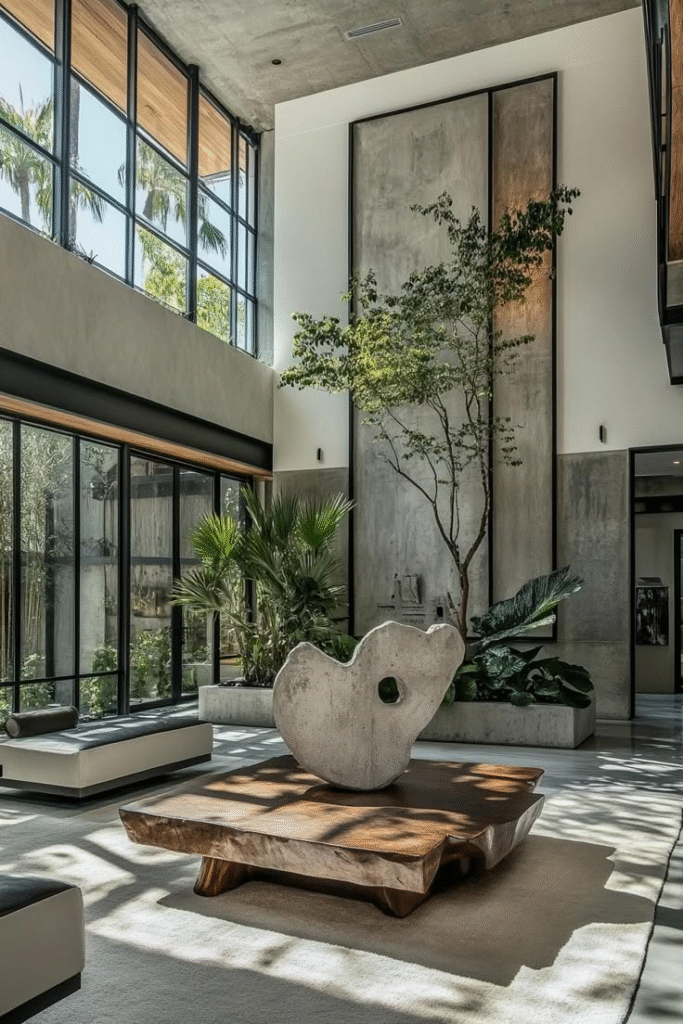
Art aficionados consider their courtyards as personal galleries. The sculptures, pottery, and sculptural installations can be used to draw attention, contributing not only to the home’s character and cultural richness but also making the courtyard a talkative and expressive area.
6. Tree‑Centric / Nature‑Anchored Courtyard
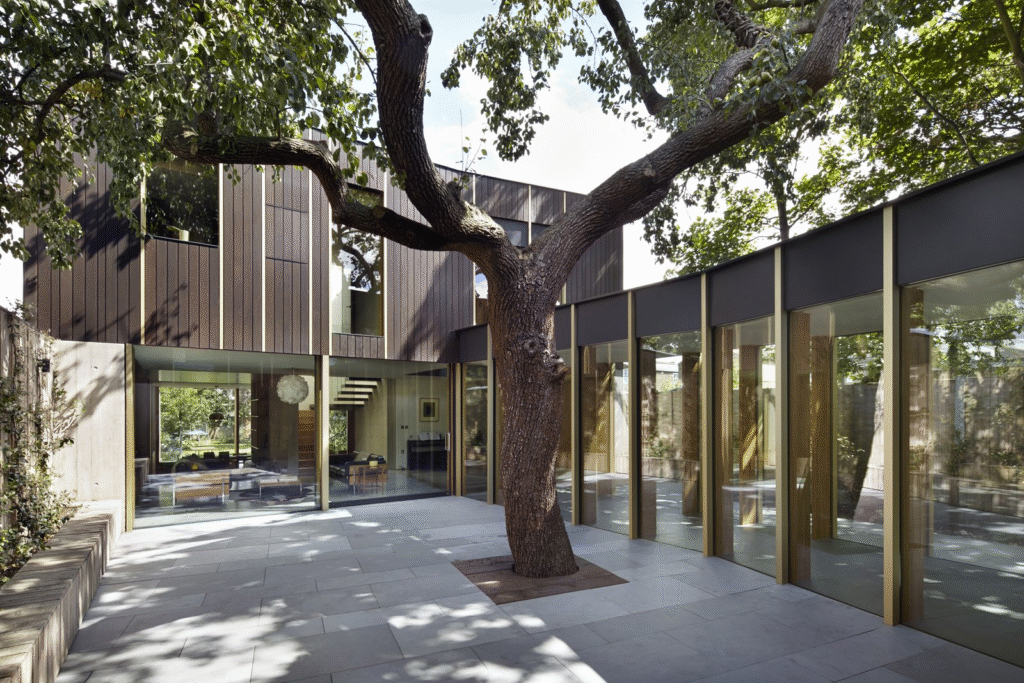
In case a mature tree is already present in the plot, building around it not only saves the tree but also provides immediate benefits like shade, cooling, and a strong connection to the outdoors. Such courtyards attract wildlife, provide shade, and create a feeling of living in nature even in the middle of the city.
7. Indoor–Outdoor Transition Courtyard
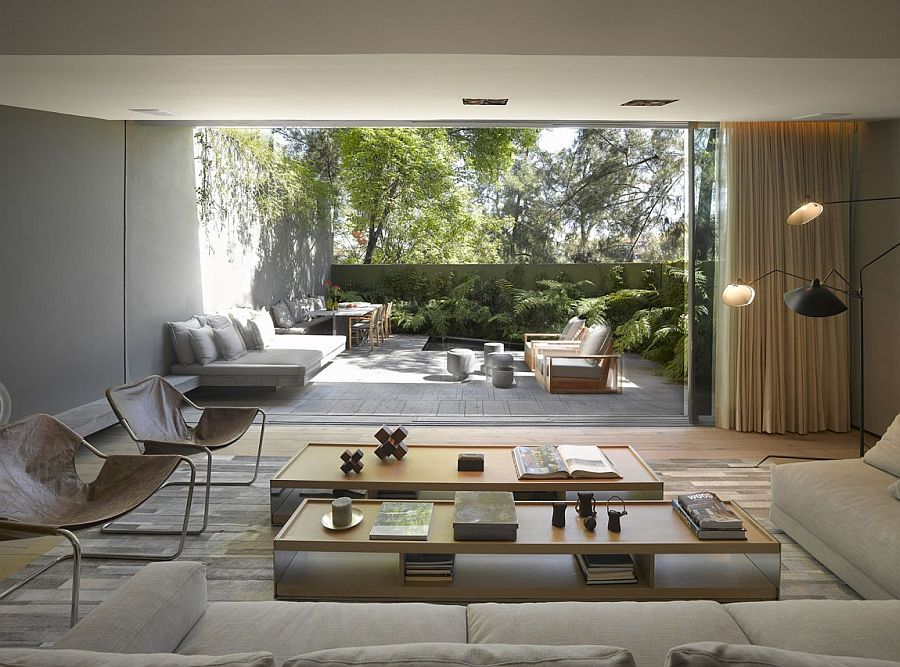
Courtyards situated between two major areas, e.g. living area and bedrooms, serve as transitional areas, where they present all the benefits of daylight, ventilation, and the feeling of spaciousness while keeping the areas discreet and separated according to their purposes.
8. Rustic Courtyard with Traditional Materials
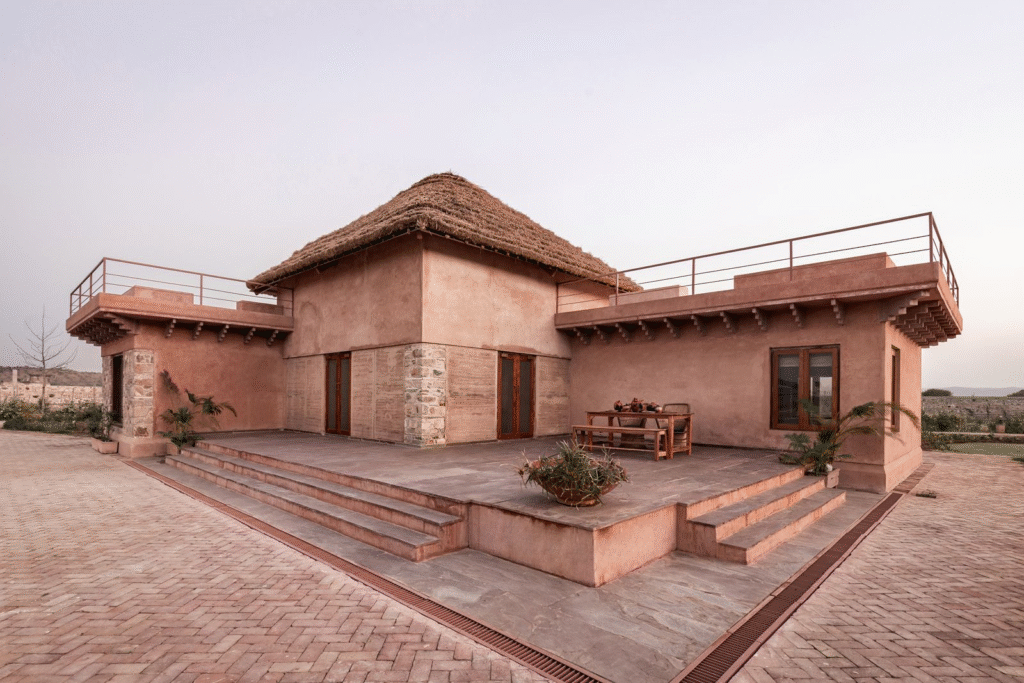
Courtyard construction that employs conventional materials such as stone walls, terracotta tiles, mud plaster, and wood not only gives a rough but also an active atmosphere of living and sanity. Besides that, the indoor temperature is remarkably balanced by the materials, and over time, their rustic beauty is gradually revealed, thus contributing to the warm and eternal aesthetic.
9. Minimalist / Contemporary Courtyard
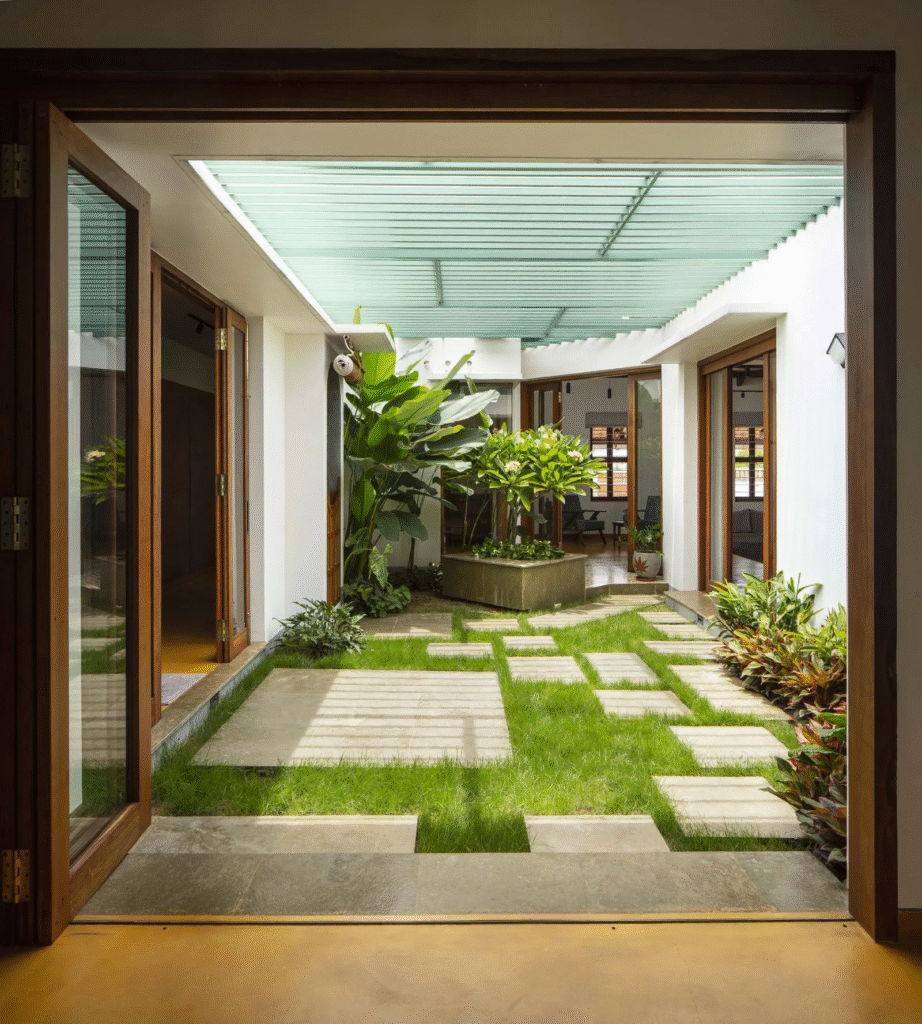
Simple geometric shapes, scarce vegetation, and perhaps a stone bench or a small grass patch are the features of these kinds of courtyards that highlight the qualities of calmness, orderliness, and luxurious silence. The subdued nature of their design makes them very much in line with one less thing to worry about in terms of maintenance, while they already serve as a peaceful getaway.
10. Multi‑Level / Vertical Courtyard (for Multi‑Storey Homes)
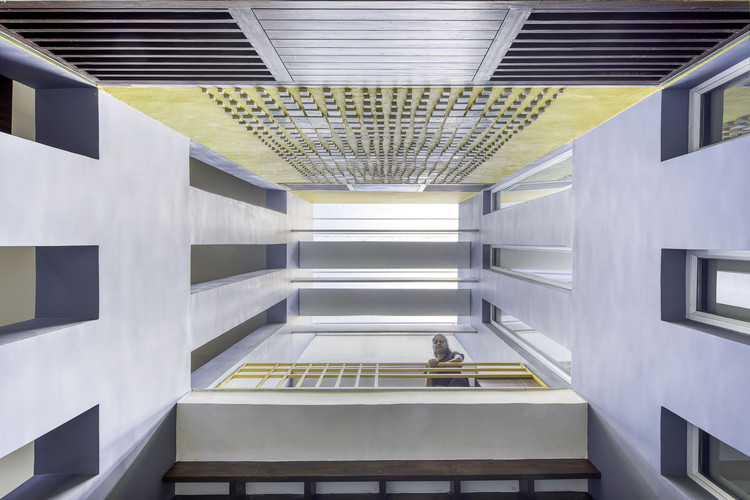
For high-rise buildings or multi-storey dwellings, multi-level courtyards or atrium-type openings serve to distribute light and ventilation even to the most inner parts of the building. They connect every floor in a visual and spatial way, giving rise to a feeling of openness and continuity.
The popularity of courtyards in 2025 can be attributed to several factors:
First, they enhance natural light and wind circulation, thus keeping homes eco-friendly and healthy.
Secondly, it connects houses with nature which is important in cramped city surroundings.Third, versatile spaces are provided for: hidden nooks, spots to gather friends, or quiet zones.
Moreover, they can be easily adapted to the boundaries of the lot, which is a great advantage for congested or small urban sites.
Why Courtyards Are Trending in 2025
Enhance natural light and air circulation, thus making houses more sustainable and healthier.
Reconnect houses with Mother Nature, which is very much needed in crowded cities.
Convert areas into different types, such as privacy sections, social interaction areas, and calmness spots.
Plot limitations are not a problem – many advantages for narrow or compact urban plots.